
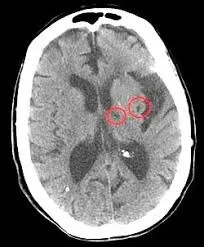
A lacunar infarct is a type of stroke that affects the small blood vessels deep within the brain. It develops when one of these narrow arteries becomes blocked, reducing blood supply to nearby brain tissue. Although the affected area is small, the condition can still affect movement, speech, coordination, or sensation depending on the location of the blockage.
Understanding the causes and risk factors linked to this condition may help people recognise symptoms earlier and seek timely medical care. In many cases, proper treatment of lacunar infarct and long-term health management may help reduce future complications. Since symptoms may sometimes appear mild in the early stages, awareness remains important for timely diagnosis and care.
What is a Lacunar Infarct?
Lacunar infarcts usually occur in the deeper parts of the brain, including areas responsible for movement and sensation. These strokes are linked to damage in the brain’s small penetrating arteries. Unlike larger strokes that affect major blood vessels, lacunar infarcts involve much smaller arteries that supply blood to deeper brain structures.
Repeated small strokes may gradually affect memory, mobility, and thinking ability over time. Some people may not realise they have had a lacunar infarct until imaging tests are performed during medical evaluation. Doctors generally diagnose the condition through neurological assessment and imaging tests such as MRI or CT scans.
Common Causes of Lacunar Infarct
Several medical conditions may contribute to the narrowing or blockage of the small blood vessels in the brain. The following are common causes of lacunar infarcts.
- High Blood Pressure: Long-term high blood pressure may damage the walls of small arteries and reduce blood flow within the brain.
- Diabetes: Elevated blood sugar levels may weaken blood vessels and affect circulation over time.
- High Cholesterol: Excess cholesterol may lead to fatty deposits in blood vessels, increasing the risk of artery damage.
- Small Vessel Disease: This condition affects the small arteries deep within the brain and is closely associated with lacunar infarcts.
- Smoking: Smoking may damage blood vessel walls, reduce oxygen supply, and increase blood pressure.
These conditions often develop gradually, making regular health monitoring important for people with cardiovascular risk factors.
Major Risk Factors
Certain lifestyle and health-related factors may increase the likelihood of developing a lacunar infarct. Understanding these risks may support earlier prevention and medical management.
- Increasing Age: Blood vessels naturally become less flexible with age, increasing stroke risk.
- Family History: A family history of stroke or cardiovascular disease may increase the chances of similar health concerns.
- Obesity: Excess body weight may contribute to hypertension, diabetes, and high cholesterol.
- Physical Inactivity: Limited physical activity may affect circulation and cardiovascular health.
- Excess Alcohol Consumption: Heavy alcohol intake may increase blood pressure and strain the cardiovascular system.
- Unhealthy Diet: Diets high in salt and unhealthy fats may affect blood vessel health over time.
Many of these risk factors can be managed through regular medical care and healthy lifestyle choices.
Symptoms That May Appear
The symptoms of a lacunar infarct can appear suddenly and may vary depending on the affected area of the brain. Even mild symptoms should be medically evaluated because early care may help reduce the risk of complications.
Common symptoms may include:
- Weakness: Reduced strength on one side of the body may affect the arm, leg, or facial muscles.
- Numbness: Some individuals may experience reduced sensation in certain body parts.
- Speech Difficulty: Slurred speech or difficulty communicating may occur.
- Balance Problems: Walking and coordination may become difficult.
- Mild Confusion: Changes in concentration or thinking ability may also appear.
Seeking medical attention after noticing these symptoms remains important, even if they improve quickly.
How Doctors Diagnose Lacunar Infarct
Doctors usually begin with a physical and neurological examination to assess speech, movement, reflexes, and coordination. Brain imaging tests such as MRI and CT scans are commonly used to confirm the diagnosis and identify the affected area.
Additional tests may include blood pressure monitoring, cholesterol assessment, and blood sugar evaluation. These investigations may help identify underlying conditions contributing to the stroke.
Brief Overview of Management and Recovery
The approach to treatment of a lacunar infarct depends on a person’s symptoms, medical history, and associated health conditions. Doctors may recommend medicines to control blood pressure, improve blood flow, or reduce the risk of clot formation.
Lifestyle adjustments may also support recovery and long-term brain health. These may include quitting smoking, improving diet, staying physically active and managing diabetes or cholesterol levels.
Conclusion
A lacunar infarct is a small vessel stroke caused by reduced blood flow within the brain’s deeper arteries. Conditions such as hypertension, diabetes, smoking, and high cholesterol are among the most common causes and risk factors linked to this condition.
Although symptoms may sometimes appear mild, early medical attention remains important. Timely diagnosis, healthy lifestyle choices, and appropriate medical management may help reduce complications and support better long-term brain health.

