
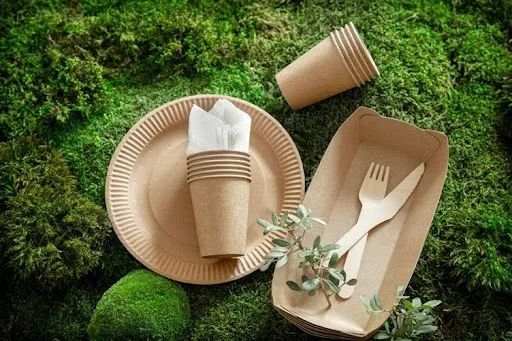
Plastic waste is now a major global issue affecting the environment in many ways. Landfill garbage is an increasing problem and ocean waste caused by plastic is a growing concern . Traditional plastic packaging can take hundreds of years to break down, meaning the waste stays in place for a long time. All levels of society are attempting to find out how to manage waste better. Biopolymer material packaging seems to add an environmentally friendly choice to the list.
Biopolymers are created using renewable sources like starch from corn sugarcane, cellulose, algae, and other plant-based resources . Unlike the typical plastic made from petroleum many biopolymers have the ability to break down when certain conditions are met . As a result, biopolymer packaging is an attractive option for companies that want to decrease their impact on the environment.
What is Biopolymer Packaging?
Biopolymer packaging refers to the use of materials that come from renewable or natural sources. The purpose of biopolymer packaging is to reduce the amount of fossil fuel used and to promote a better way of handling waste materials.
Examples of biopolymers are:
- Polylactic Acid (PLA)
- Polyhydroxyalkanoates (PHA)
- Plastics made with starch
- Films made from cellulose
- Materials created from proteins
People use these in items such as:
- Food storage containers
- Disposable utensils
- Reusable shopping bags
- Flexible wrapping materials
- Packaging for farming
- Medical-related packaging
To achieve sustainability goals and meet the shifting expectations of consumers many businesses experiment with biopolymers.
Why the Issue of Plastic Waste Keeps Getting Worse
Traditional plastics cost little last long, and are easy to find. But because they don’t break down , getting rid of them causes big problems . Tons of single-use plastics pile up in oceans, rivers, and dumps every year.
Plastic waste raises several pressing issues such as:
- Threats to sea animals
- Pollution of water and soil
- Large carbon output while making plastics
- Trouble recycling blended plastic materials
- Microplastics ending up in food and drinks
Governments across the globe are enforcing tougher rules to cut down single-use plastic use . This has sparked a growing demand to find packaging materials that align with long-term environmental goals.
How Biopolymer Packaging Helps Protect the Environment
Biopolymer packaging works in different ways to lower plastic waste.
Less Reliance on Fossil Fuels
Plastic makers rely on petroleum and natural gas as their main materials . On the other hand, biopolymers come from renewable resources and help reduce the need for fuels derived from fossils.
Improving Waste Disposal
Some biopolymers can break down in industrial composting setups . By enabling proper waste management, they help ease the burden on landfills in suitable settings.
Fewer Carbon Emissions
Production of many biopolymers leads to less greenhouse gas creation compared to regular plastics.
Promoting Circular Packaging
Biopolymer-based packaging aligns with the concept of Circular Economy Packaging. In this approach, materials get reused, recycled, or composted rather than thrown out after one use . This idea pushes manufacturers to design materials with their end-of-life processes in mind.
Sectors Using Biopolymer-Based Packaging
Different industries have started using packaging made from biopolymers.
Food and Beverage
Cafes, restaurants, and food companies now use compostable containers, trays, and cups to cut down on plastic waste.
Retail and E-commerce
Shops and online businesses are switching out plastic bags and mailers for biodegradable options.
Agriculture
Farmers are turning to biopolymer mulch and films where getting rid of regular plastic is a problem.
Healthcare
Some disposable medical packaging now relies on biodegradable materials.
Issues Slowing Down Biopolymer Use
Even though biopolymer packaging can help the environment, businesses still face a few hurdles.
Costs of Making It Are Higher
Biopolymers cost more than regular plastics because raw materials and production aren’t cheap.
Composting Challenges
A lot of places do not have the composting facilities needed to handle some types of biodegradable materials.
Problems with Recycling
Mixing biopolymers and regular plastics in recycling systems can be tricky, which makes sorting a problem.
Lack of Awareness
Plenty of people don’t know the right way to throw away biodegradable or compostable packaging.
Even though these issues exist ongoing research and investments are helping industries make solutions that are more useful and less expensive.
How Innovation and Teamwork Across Industries Can Help
The packaging industry keeps evolving as businesses, researchers, and policymakers collaborate to find greener solutions . Companies share ideas and real-world examples through things like conferences, research meetups, and industry collaborations .
Events like the Biopolymer Packaging Conference give a platform to manufacturers, packaging specialists, sustainability advocates, and scientists. Together, they talk about topics such as:
- Creating new materials
- Making compost-friendly solutions
- Working on recycling methods
- Figuring out packaging laws
- Designing eco-friendly products
- Understanding market needs and trends
These talks let companies learn about both the technical details and the business challenges that come with using biopolymers.
Why Brands Are Taking Notice
Shoppers are beginning to care a lot more about waste from packaging and acting toward the planet. Many now choose brands that pack products in eco-friendly materials.
Companies are answering back by:
- Cut back on the use of single-use plastics
- Put money into biodegradable options
- Try out systems with reusable packaging
- Create clear sustainability goals
- Partner with suppliers who focus on eco-friendly practices
Packaging now affects how customers see brands and trust them in many industries.
Future Perspective on Biopolymer Packaging
The growth of biopolymer packaging relies on putting effort into research, building infrastructure, and raising public understanding . As manufacturing scales up, prices might get closer to traditional options.
We can anticipate a few big changes in the years ahead:
- Biodegradable materials becoming much stronger
- Improved systems to handle composting
- Governments stepping in to give more support
- More businesses starting to use it
- Expanded use in food and everyday product packaging
The rise of Circular Economy Packaging models will push companies to create packaging aimed at producing less waste right from the start.
Conclusion
Biopolymer packaging offers a useful way to cut down on plastic waste and promote eco-friendly packaging methods. Even though issues like high costs, lacking infrastructure, and recycling obstacles remain, industries worldwide are working on finding greener options to replace traditional plastics.
Groups like Leadvent Group play a big role in this effort. Through international events and conversations, professionals from all over the world can connect with one another and talk about topics such as sustainability, research, and manufacturing. By holding conferences about biopolymers and eco-friendly materials, companies can have an opportunity to gather information about the regulations governing their industry, exchange ideas, and explore actual ways of creating environmentally friendly packaging.
FAQs
1. What is biopolymer packaging?
Biopolymers can be created from renewable plant materials such as corn starch, sugarcane, cellulose or algae, rather than petroleum-based plastics .
2. Is biopolymer packaging biodegradable?
Some biopolymers will break down when processed through composting under controlled conditions; however, many others will not break down in regular environments .
3. Why is biopolymer packaging important?
Biopolymer packaging helps to reduce plastic waste. Helps reduce use of fossil fuels and helps improve waste management practices .

